BOOKSTORE
BONES:
POEMS ON RECLAMATION
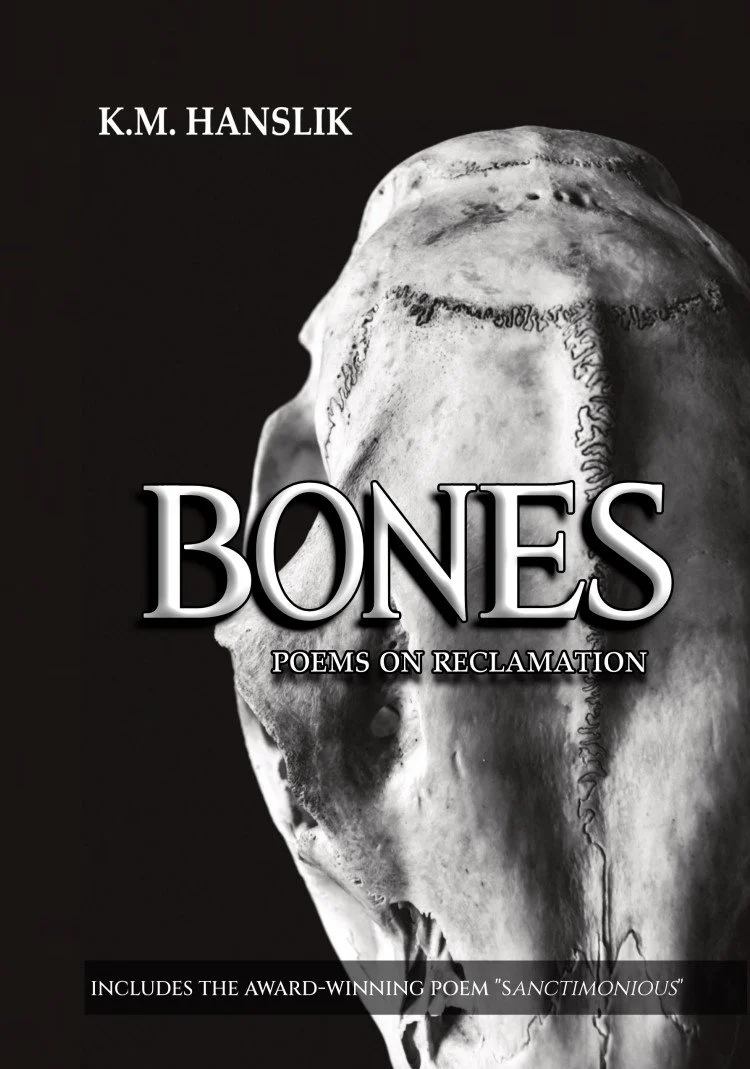
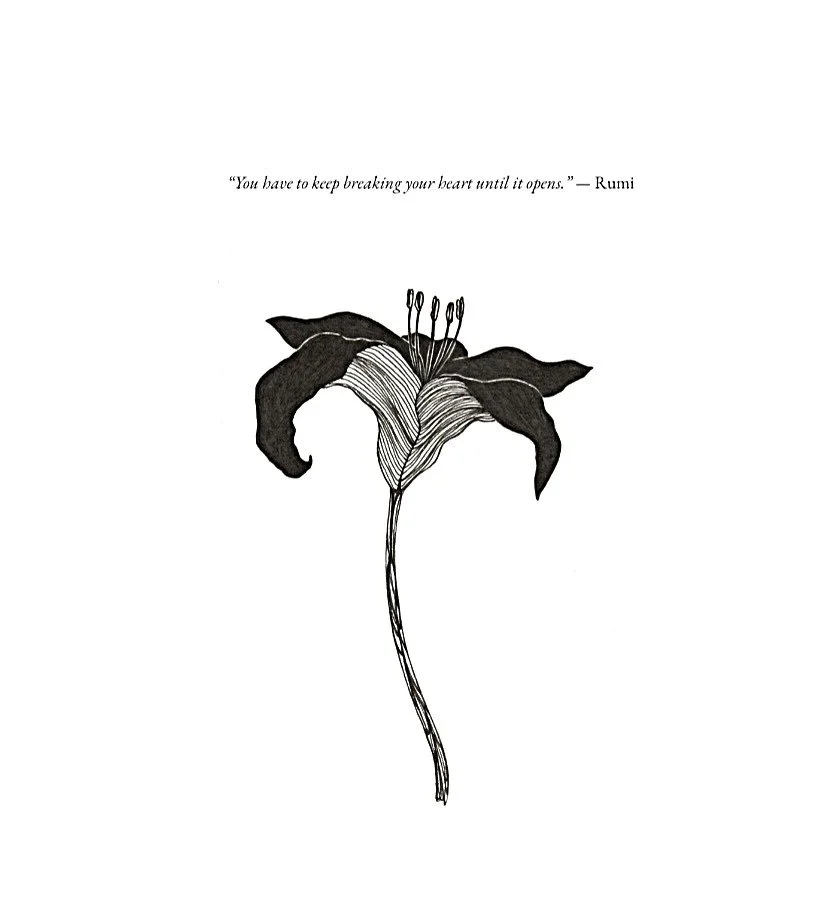
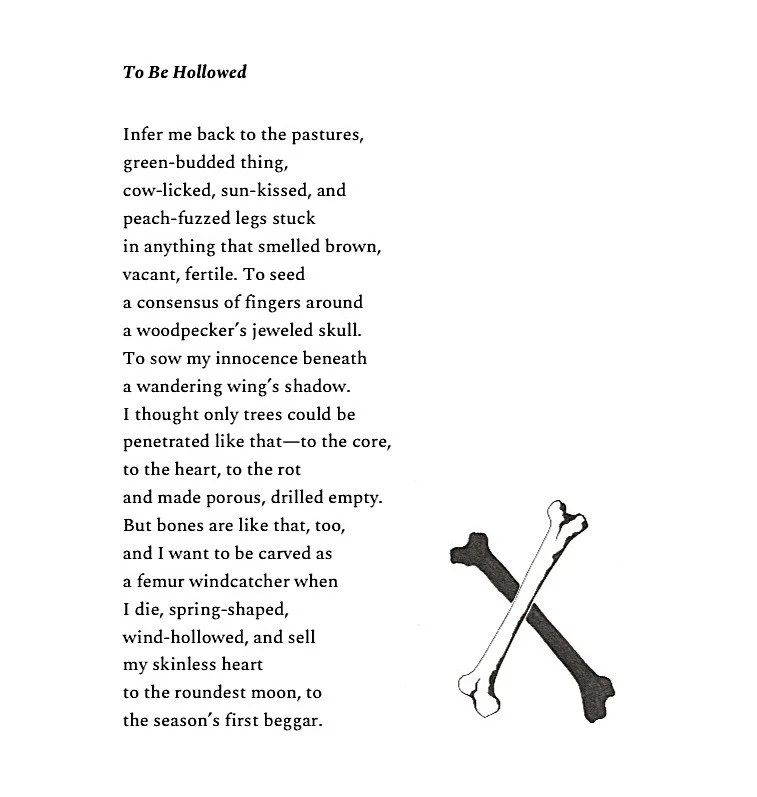
Bones is an excavation—of earth, of memory, of the hidden strata of the human soul. These poems sift through what was lost, what lingers, and what might still be reclaimed. Exploring the depths of love, grief, and transformation, Bones uncovers the relics we bury within ourselves: old wounds, enduring love, unfinished mourning, and moments that altered us in ways we cannot undo.
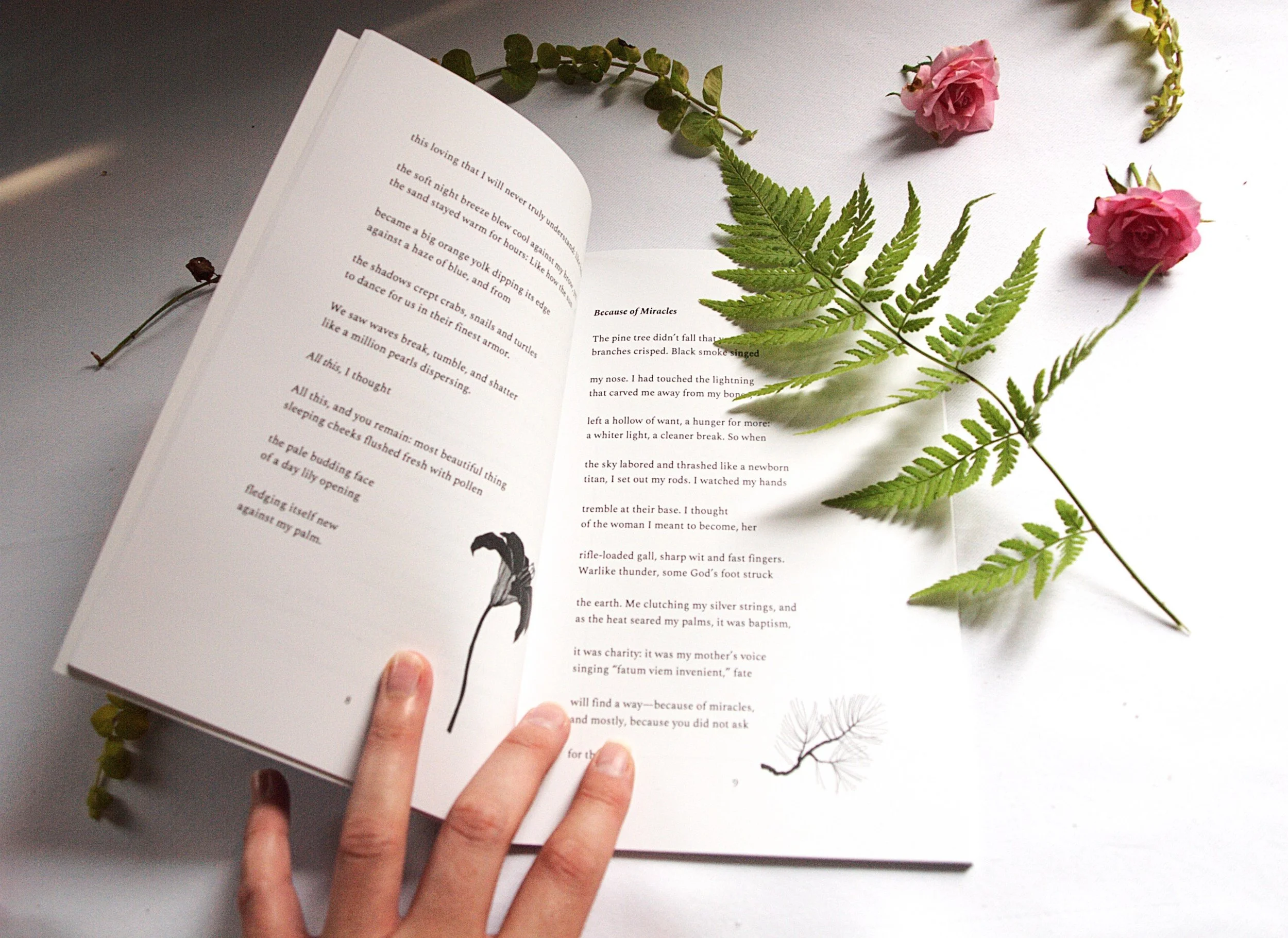
LOOK INSIDE
WAYS TO PURCHASE
“Bones” is available through Lulu.
Reviews
“Hanslik presents a haunting collection of what I would call ecological-grief poetry rooted in nature and remembrance. The collection asks: Who are we at our core? What is human legacy? What do we leave behind? Through examinations of mythical, ecological, and familiar expanse the reader is treated to a resounding of what is left after the glitter fades.”
—Rachel Turney, author of “Retired Wannabe Club Kid”
“Bones is a collection that moves between the body and the cosmos, the physical and the mythic. It traverses pastures, junkyards, and graveyards—a landscape of weeds and bodies, forget-me-nots and stone. Hanslik writes with striking precision, her lines so musical they ask to be read aloud. This is a collection you’ll want to read in one sitting, then return to again and again.”
—Allison Mei-Li, author of “A History of Holding: Poems on Motherhood”
“Juxtaposing lovely, sensational imagery with dark, complicated themes elicits a feeling of self-compassion. Hanslik invites readers closer by sharing vulnerable experiences, reminding everyone of the inherent beauty in all things, including the dark parts of oneself. Her words create space for readers to be honest with their own grief.”
—Lauren McKinnon, editor for The Turning Leaf Journal